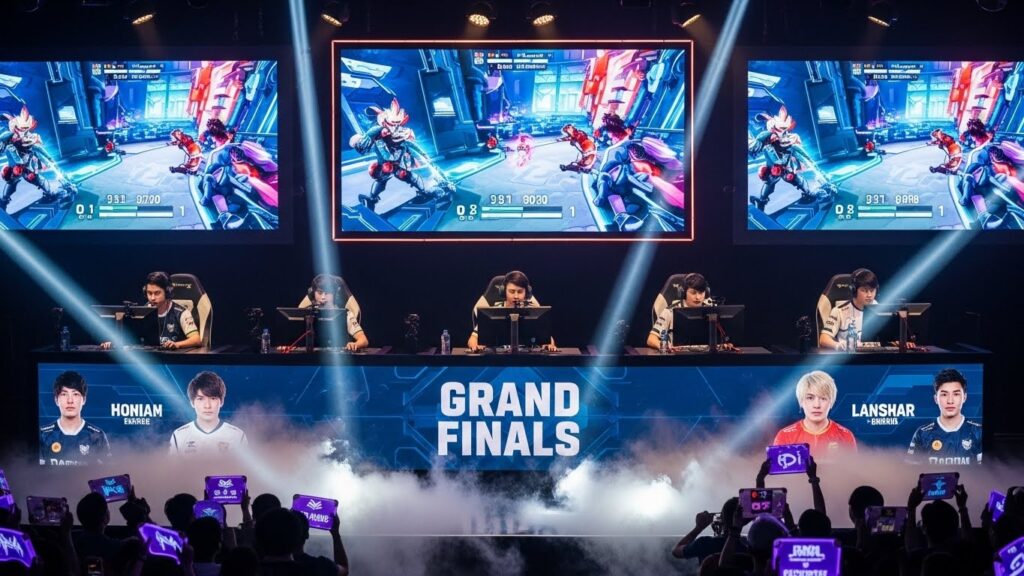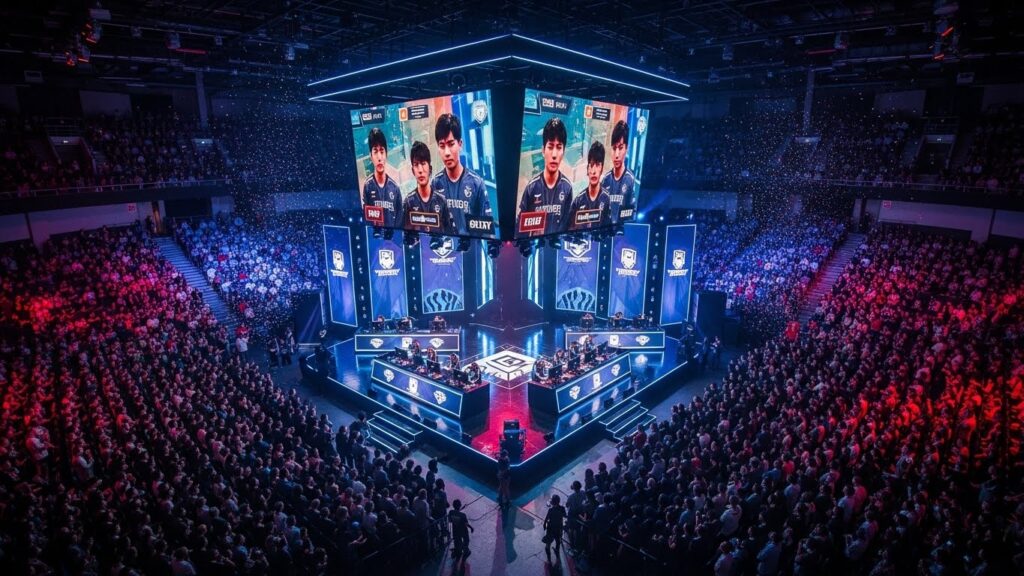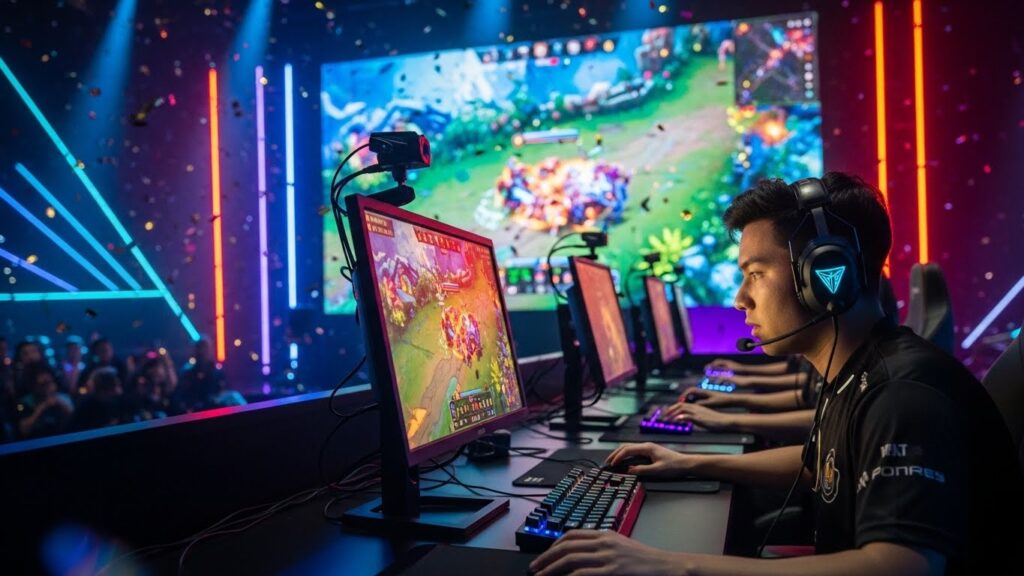
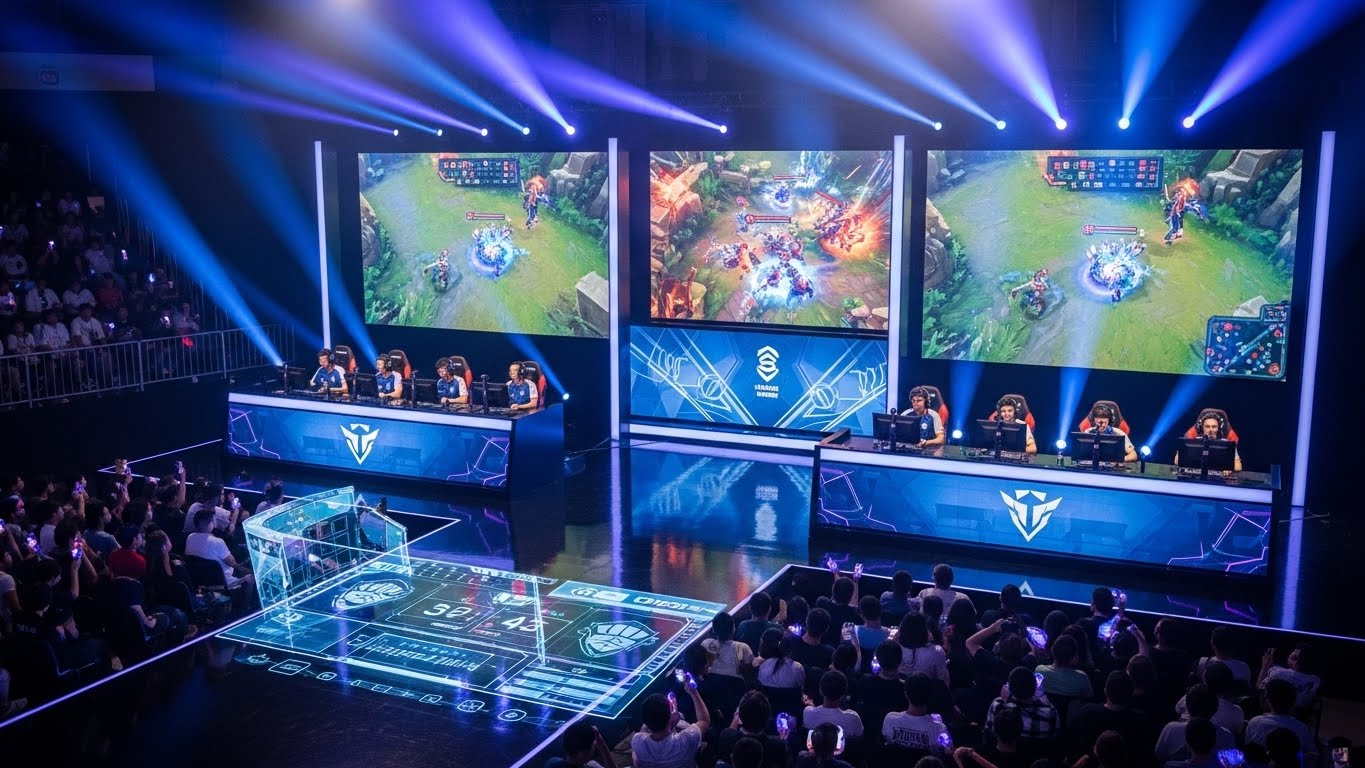
Esports has rapidly emerged as one of the most influential forms of modern entertainment and competition. What once began as casual video game matches between friends has transformed into a global industry filled with professional athletes, massive audiences, and high-stakes tournaments. Esports is no longer just about gaming; it is a cultural movement that blends technology, strategy, teamwork, and entertainment into a powerful digital spectacle. This blog explores the rise of esports, its impact on society, the skills it nurtures, the challenges it faces, and the future it promises.
Understanding the World of Esports
Esports, short for electronic sports, refers to organized competitive video gaming played at amateur and professional levels. Players compete individually or in teams across various game genres, including multiplayer online battle arenas, first-person shooters, real-time strategy games, fighting games, and sports simulations. Unlike traditional sports that focus heavily on physical strength, esports emphasizes mental agility, reflexes, coordination, strategic planning, and communication.
Competitive matches are conducted in structured formats, including leagues, tournaments, and championships. Professional esports players train rigorously, follow strict schedules, and work with coaches, analysts, and support staff. The competitive environment mirrors traditional sports in intensity, preparation, and dedication, making esports a legitimate form of athletic competition in the digital age.
The Origins and Growth of Esports
The roots of esports trace back several decades to early arcade competitions and home console tournaments. As technology advanced and internet access expanded, competitive gaming evolved rapidly. Online multiplayer games allowed players from different regions to compete, creating the foundation for global competition.
The early 2000s marked a turning point, particularly in countries where gaming culture flourished. Professional teams formed, sponsorships emerged, and organized tournaments began offering prize money. Over time, esports grew into a structured industry supported by broadcasters, event organizers, and gaming publishers.
In recent years, esports has experienced explosive growth. Large-scale tournaments fill stadiums, while millions more watch matches online. Professional players gain celebrity status, and esports organizations operate like traditional sports franchises. This rapid expansion reflects a shift in how competition and entertainment are perceived in a digital world.
The Cultural Impact of Esports
Esports has developed a distinct global culture that connects people across borders, languages, and backgrounds. Fans follow their favorite teams and players with intense loyalty, engaging in discussions, analyzing strategies, and celebrating victories together. Online communities form around shared interests, creating a sense of belonging and identity.
One of esports’ most powerful cultural contributions is inclusivity. Physical limitations, geography, and background pose fewer barriers compared to traditional sports. Players from diverse cultures compete on equal footing, highlighting skill and strategy over physical attributes. This inclusiveness has helped esports grow into a truly global phenomenon.
Esports has also influenced fashion, language, and digital trends. Players and streamers shape popular culture, while gaming terminology enters everyday conversation. The cultural footprint of esports continues to expand, blending seamlessly with music, media, and youth culture.
Economic Influence of Esports
The esports industry has become a major economic force. Revenue is generated through tournament prize pools, sponsorships, merchandise, media rights, and live events. Organizations invest heavily in infrastructure, including training facilities, technology, marketing, and talent development.
Beyond professional players, esports supports a wide range of careers. Coaches, analysts, broadcasters, event managers, designers, and content creators all play vital roles in the ecosystem. Educational institutions now offer esports scholarships and programs, recognizing the industry’s legitimacy and long-term potential.
Local economies also benefit from esports events. Large tournaments attract visitors, create jobs, and boost hospitality and tourism. The financial impact of esports demonstrates that competitive gaming is not just entertainment but a sustainable and expanding industry.
Skills Developed Through Esports
Esports demands a unique combination of skills. Players must possess fast reflexes, precise hand-eye coordination, and the ability to process information quickly. Strategic thinking is essential, as matches often require adapting tactics based on opponents’ decisions and changing game conditions.
Team-based esports emphasize communication, leadership, and cooperation. Players must coordinate strategies, manage roles, and trust teammates under intense pressure. These experiences develop valuable interpersonal skills that translate into real-world environments.
Discipline and mental resilience are also critical. Professional players train for long hours, analyze gameplay footage, and refine strategies continuously. This commitment builds time management, focus, and perseverance, skills that extend far beyond gaming.
Social Connections and Community Building
Esports fosters strong social connections. Multiplayer games encourage collaboration and teamwork, allowing players to form friendships across continents. For many individuals, esports communities provide support, motivation, and a sense of belonging.
Online tournaments, fan discussions, and community events strengthen these bonds. Esports brings people together through shared passion, whether as players, spectators, or creators. This social aspect is one of the most meaningful contributions of esports, offering connection in an increasingly digital world.
Educational institutions have also embraced esports as a tool for engagement. School and university programs use competitive gaming to teach teamwork, leadership, and strategic thinking, while also promoting inclusivity and student involvement.
Health and Well-Being in Esports
While esports offers many benefits, it also presents challenges related to health and well-being. Extended gaming sessions can lead to physical strain, including eye fatigue, posture issues, and repetitive stress injuries. Mental health challenges such as stress, anxiety, and burnout are also concerns in high-pressure competitive environments.
To address these issues, professional organizations are increasingly prioritizing player wellness. Structured training schedules, physical exercise, mental health support, and proper nutrition are becoming standard components of esports programs. These measures help ensure sustainable performance and long-term health.
Awareness and balance are essential for all players. When approached responsibly, esports can be both competitive and healthy, combining mental stimulation with positive lifestyle habits.
Technology as the Backbone of Esports
Technology is the foundation of esports. High-performance hardware, advanced software, and fast internet connectivity enable competitive play at elite levels. Game developers continuously innovate, introducing new mechanics, updates, and features that keep competition dynamic and engaging.
Streaming technology has revolutionized how esports is consumed. Fans can watch live matches, follow players’ journeys, and engage with content in real time. This interactive viewing experience has helped esports reach global audiences and build strong fan communities.
Emerging technologies such as virtual environments, artificial intelligence, and data analytics are shaping the future of esports. These tools enhance gameplay, improve training, and elevate spectator experiences, pushing the boundaries of digital competition.
Challenges Facing the Esports Industry
Despite its success, esports faces ongoing challenges. Regulation and governance vary across games and regions, leading to inconsistencies in rules and competition standards. Issues such as cheating, match manipulation, and player rights require clear policies and oversight.
Public perception is another challenge. While esports has gained widespread acceptance, some still view it as a hobby rather than a profession. Continued education, professionalism, and positive representation are essential to further legitimize the industry.
Sustainability is also a concern. Ensuring fair opportunities, player welfare, and long-term growth requires collaboration between developers, organizations, and communities.
The Future of Esports
The future of esports is filled with opportunity. As technology advances, competitive gaming will become even more immersive, interactive, and accessible. Global audiences will continue to grow, and esports will further integrate with mainstream entertainment and education.
New career paths will emerge as the industry expands into areas such as analytics, content production, and digital management. Educational programs will continue to develop talent, ensuring a skilled workforce for the future.
Esports will also play a role in shaping digital culture, redefining competition, and connecting people worldwide. Its influence will extend beyond gaming, impacting how society views sports, technology, and entertainment.
Conclusion
Esports has transformed from a niche pastime into a global phenomenon that redefines competition in the digital era. It combines skill, strategy, technology, and community into a powerful form of modern entertainment. Through its cultural influence, economic impact, and social connectivity, esports has proven that competition is no longer confined to physical spaces.
As esports continues to evolve, it will inspire new generations, create opportunities, and push the limits of digital innovation. More than just games, esports represents the future of competitive expression, where talent, teamwork, and technology unite to create a truly global arena.